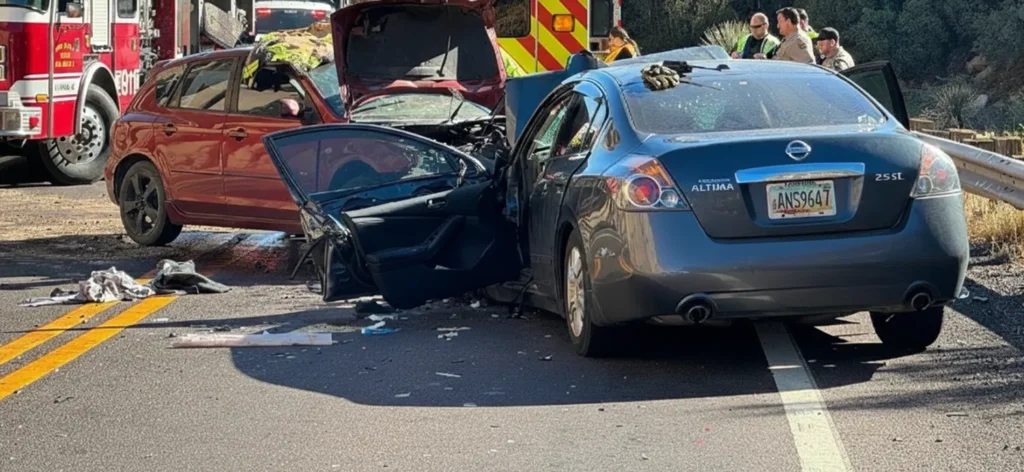
A motor vehicle accident can happen when you least expect it. One moment you’re on your way to work, running errands, or heading home, and the next, everything changes. In the aftermath, you may be dealing with injuries, medical expenses, vehicle damage, lost income, and uncertainty about what to do next. It’s completely understandable to feel overwhelmed after an accident. Many people don’t know what their rights are or whether they may be entitled to compensation. Understanding your legal options can help you take the right steps and make informed decisions about your situation.
Let’s start with the basics. MVA is short for “motor vehicle accident.” It’s a broad term used to describe collisions involving cars, trucks, motorcycles, buses, and other motor vehicles. But every motor vehicle accident is different. Some may be minor crashes that result in vehicle damage and little or no injury. Others can be serious, leaving victims with significant injuries, expensive medical treatment, lost income, and uncertainty about what to do next. Understanding what happened and knowing your legal options can be an important first step toward moving forward.
The moments after a motor vehicle accident can be confusing, but the steps you take can matter later. If it is safe to do so, move to a secure location, check for injuries, and contact the appropriate authorities. Seek medical attention even if your injuries do not seem serious at first. If possible, document the accident scene, take photos of the vehicles and surrounding area, and exchange contact and insurance information with the other parties involved. Keep copies of medical records, bills, repair estimates, and other documents related to the accident. Most importantly, avoid making statements about fault or accepting a settlement before you understand your rights and options. Speaking with a qualified legal professional can help you determine what steps may be appropriate for your situation.
Here’s where things get interesting. Determining who’s at fault in a motor vehicle accident isn’t al‐ ways straightforward. Sure, sometimes it’s obvious—someone ran a red light or was texting while driving. But other times? It’s a gray area. Different states have different rules about fault. Some follow “pure comparative negligence,” which means you can still recover damages even if you’re partially at fault. Others use “modified comparative negligence” or “contributory negligence” systems. Yeah, it’s confusing. That’s kind of the point, honestly. Insurance companies love confusion. It gives them wiggle room to minimize payouts. They’ll look for any reason to shift blame onto you, even partially. “Were you speeding?” “Did you have your headlights on?” “Were you distracted?” They’ll ask everything.
Lawsuit Daily is a leading law firm in the UK, providing legal services & corporates in commercial & family matters.
Copyright © 2026 Lawsuit Daily