Powerport Lawsuit

Powerport Lawsuit

Seek Legal Help

Bard PowerPort Lawsuit: What Patients Should Know About the Mass Tort

What Exactly is an MVA?

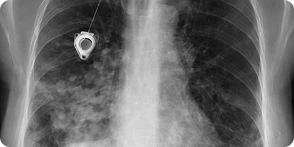
A Bard PowerPort is an implantable venous access device designed to provide healthcare professionals with access to a patient's bloodstream. The port is typically placed beneath the skin in the upper chest and connected to a thin catheter that extends into a large vein. Once implanted, healthcare providers can use a specialized needle to administer medications, draw blood, or provide other treatments without requiring repeated access to a traditional vein. PowerPorts may be used for: Chemotherapy and cancer treatment Long-term IV medications Hydration and nutritional support Frequent blood draws or transfusions Implanted ports can provide important benefits for patients who require ongoing medical treatment. The legal claims involving certain Bard PowerPort devices do not allege that every implanted port is defective or unsafe. Instead, lawsuits generally focus on allegations involving certain devices, including claims concerning potential device damage, failure, or inadequate warnings about possible risks.

What Are the Lawsuits Alleging?

Lawsuits involving Bard PowerPort devices generally include allegations that certain ports or catheter components may become damaged or fail over time. Plaintiffs may allege that these failures can result in complications requiring additional medical treatment or procedures. The circumstances of each case are different. Important details may include: What model of PowerPort was implanted? When was the device implanted? How long was it in place? What complication occurred? What did imaging, medical, or surgical records show? Was removal, replacement, or emergency treatment required? These details can help medical and legal professionals understand what happened and whether a particular claim may fit within the current litigation.

Reported Complications Associated With Implanted Port Failures

Not every complication involving an implanted port is necessarily caused by a device defect. However, certain complications have been reported in connection with port and catheter problems.

1. Catheter Fracture

A catheter can potentially develop damage, cracking, or breakage. A fractured catheter may affect the performance of the port and could require medical evaluation and treatment.

2. Catheter Fragment Migration

If a catheter breaks, a fragment may potentially move within the bloodstream. The location of a migrated fragment can affect the type of treatment or procedure a healthcare provider recommends.

3. Infection

Because an implanted port provides access to the bloodstream, infections can be a serious concern. Treatment may involve antibiotics, additional medical monitoring, or removal of the device depending on the circumstances.

4. Blood Clots or Thrombosis

Blood clots can sometimes develop around devices placed inside veins. Depending on the situation, thrombosis may cause swelling, pain, or circulation problems and may require medical treatment.


Symptoms You Shouldn't Ignore

If you currently have an implanted port and develop new or worsening symptoms, your health should come first. Contact your healthcare provider for appropriate medical evaluation.

Symptoms that may warrant medical attention include:

  • Fever or chills
  • Redness, warmth, swelling, tenderness, or drainage around the port
  • Swelling in the arm, neck, or chest on the same side as the port
  • Pain during an infusion
  • Difficulty flushing or accessing the port
  • Unusual pain or other changes around the device

Chest pain, shortness of breath, severe dizziness, or unusual heart-related symptoms may require immediate medical attention.

These symptoms can have many possible causes. Only a qualified healthcare professional can determine what may be causing them and what treatment is appropriate.

What to Do If You Believe You Were Harmed

If you believe you experienced a complication involving a Bard PowerPort, consider these steps: Put your health first: Contact your healthcare provider if you have symptoms or concerns about your implanted port. Keep track of what happened: Write down important dates, symptoms, treatments, and procedures. Save relevant records: Keep discharge paperwork, imaging reports, procedure notes, and other medical documents you receive. Consider a legal review: A qualified attorney can review the circumstances of your case and explain whether your situation may be consistent with current Bard PowerPort claims.

Get Your Free Legal Case Review.

    imgi_1_ChatGPT Image Sep 9, 2026, 02_06_04 PM-Photoroom

    Lawsuit Daily is a leading law firm in the UK, providing legal services & corporates in commercial & family matters.

    Copyright © 2026 Lawsuit Daily